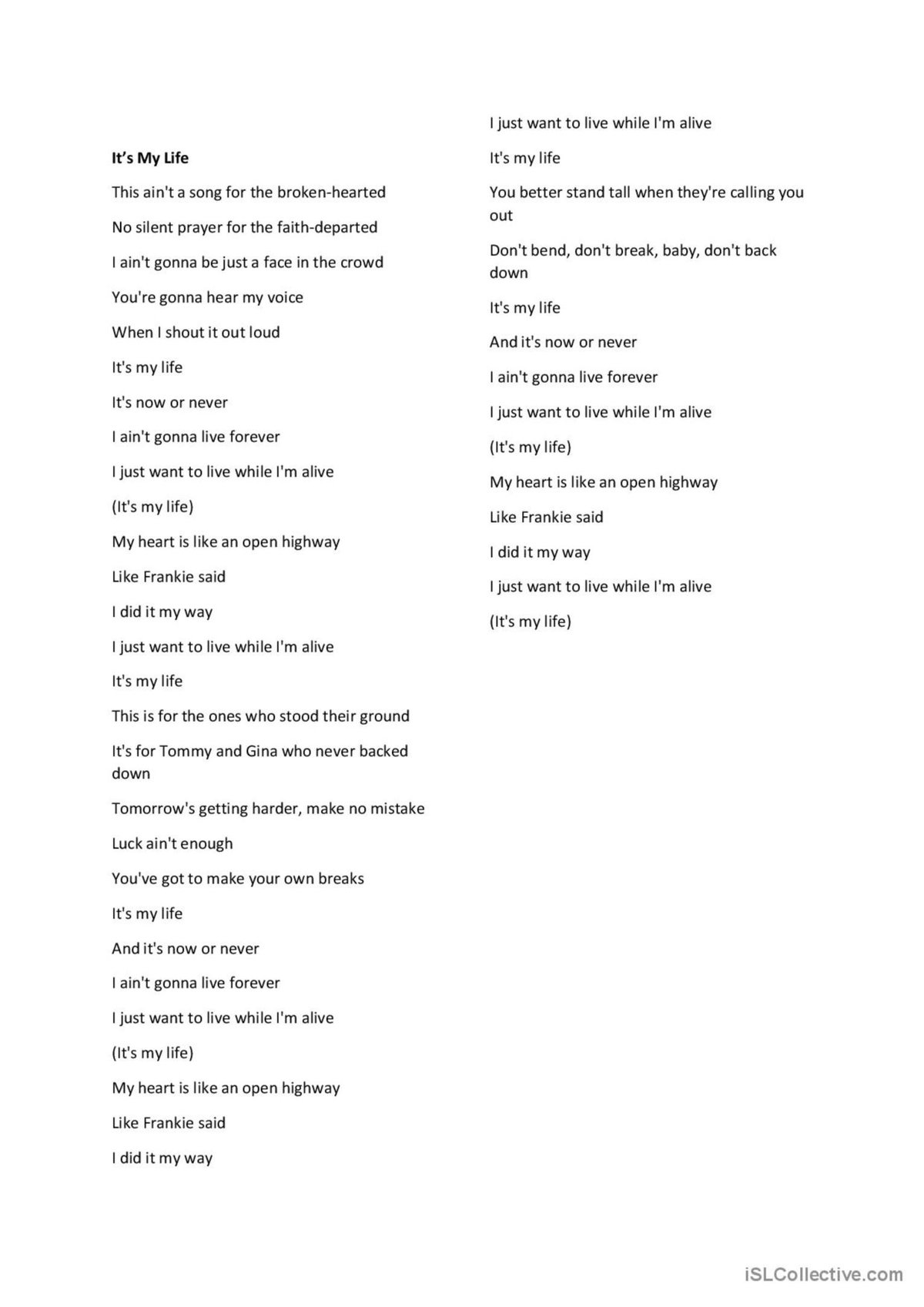
When you really hear a song, do you just listen to the melody, or do the words pull you in, demanding a closer look? True immersion in music often begins with understanding its lyrical soul. Unlocking the deeper layers of meaning within a song isn't just about passive listening; it’s an active, rewarding journey that transforms your appreciation from casual enjoyment to profound understanding. This guide will walk you through the most effective Methods of Lyric Interpretation, equipping you with the journalist's toolkit to dissect, understand, and truly connect with the stories, emotions, and artistry embedded in every line.
Think of it like being a detective, a literary critic, and a psychologist all rolled into one, uncovering the secrets an artist carefully wove into their words. Ready to stop just hearing and start understanding?
At a Glance: Your Toolkit for Deep Lyric Interpretation
- Active Listening is Key: Engage deeply, repeat plays, focus beyond the beat.
- Treat Lyrics as Text: Read them like poetry, annotating and dissecting.
- Context Matters: Explore the artist's background, historical events, and genre norms.
- Identify Themes & Messages: Pinpoint overarching ideas and recurring motifs.
- Master Literary Devices: Recognize metaphors, similes, and other poetic tools.
- Map the Narrative: Understand the story, characters, and point of view.
- Analyze Sound & Structure: Rhyme, rhythm, and meter add layers of meaning.
- Embrace Emotional & Universal Impact: Reflect on personal resonance and broader human experience.
- Compare & Contrast: See how a song fits into an artist's body of work or genre.
- Balance Interpretations: Respect both artist's intent and your unique perspective.
- Annotate Smartly: Use digital or analog tools to organize your insights.
- Engage with Community: Learn and share interpretations with fellow enthusiasts.
Beyond Passive Listening: The Power of Deep Lyric Analysis
For many, music is background noise – a soundtrack to daily life. But for those who crave a richer experience, lyrics are the heart of the song, carrying the weight of narratives, emotions, and unspoken truths. Analyzing lyrics isn't just an academic exercise; it's a way to transform passive listening into an immersive, interactive experience. It deepens your connection to the artist, the culture that produced the song, and even your own emotional landscape.
This process involves peeling back layers, moving from surface meaning to understanding artistic techniques, cultural nuances, and the emotional resonance that makes a song truly powerful. It's about moving beyond what is said to how it's said, and why it matters.
The Master Playbook: 10 Essential Methods for Lyric Interpretation
Ready to put on your analytical hat? These methods, refined by literary critics and music journalists alike, provide a comprehensive framework for dissecting any set of lyrics. Each step builds on the last, guiding you toward a holistic understanding.
1. Tune In: Active Listening & Repetition
Before you even read a single word, listen—really listen. Play the song repeatedly. Focus on the vocal delivery: Is the singer whispering, shouting, mournful, defiant? How does their tone influence your initial understanding? Pay attention to the interaction between the lyrics and the music: Does the melody swell with hope, or does a minor chord underscore a melancholic line? Note any phrases that jump out at you, any recurring words or sounds. Your initial emotional and intellectual reactions are crucial data points.
2. Read the Text: Lyrics as Poetry
Now, get the lyrics in front of you. Print them out, pull them up on a screen, whatever works. This transforms the fleeting auditory experience into a tangible text. Read them aloud. Highlight words or phrases you don't understand, or those that seem particularly potent. Break the song down structurally: identify verses, choruses, bridges, and refrains. How do these sections build on each other? Where do they repeat, and what effect does that repetition create? Pay attention to the rhythm and flow of the words themselves, even without the music.
3. Context is King: Unearthing the Song's World
No song exists in a vacuum. To truly understand its lyrics, you need to understand its world. Start with the artist: What's their background, their personal history, their previous work? Do they have a reputation for certain themes or styles? Then expand to the historical and cultural context: When was the song released? What major events were happening? What social trends or political climates might have influenced the writing? Consider the genre norms; a country song will have different lyrical conventions than a punk anthem. Sometimes, artist interviews can offer direct insights into their inspiration, helping you understand their intentions when understanding the basics of songwriting.
4. Thematic Deep Dive: What's the Real Message?
Once you've absorbed the words and their context, start looking for the bigger picture. What overarching themes emerge? Love, loss, rebellion, hope, despair, social commentary? Are there recurring symbols or motifs that weave through the lyrics? Consider the emotional tone of the entire piece—does it shift? Is there a clear message, or is it intentionally ambiguous? Summarize the song's core message in a sentence or two. Often, songs tackle universal human experiences, connecting specific narratives to broader truths.
5. Literary Detective Work: Spotting Poetic Devices
This is where you put on your literary critic's hat. Songwriters are poets, and they employ a rich array of literary devices to add depth and nuance to their words. Identifying these devices is central to effective lyric interpretation and forms the bedrock of valuable lyric annotation.
- Metaphor & Simile: Look for comparisons. A simile uses "like" or "as" (e.g., "my love is like a red, red rose"), while a metaphor directly equates two unlike things (e.g., "my love is a rose"). These devices can carry immense emotional and conceptual weight, highlighting the powerful impact of metaphor in lyrics.
- Imagery: What senses do the words appeal to? Sight, sound, smell, taste, touch? Vivid imagery transports the listener into the song's world.
- Personification: Giving human qualities to inanimate objects or abstract ideas (e.g., "the wind whispered secrets").
- Hyperbole: Exaggeration for emphasis (e.g., "I've told you a million times").
- Symbolism: When an object, person, or idea represents something else (e.g., a dove symbolizing peace). This often connects with cultural context.
- Alliteration & Assonance: Repetition of consonant sounds (alliteration) or vowel sounds (assonance) for musicality and emphasis.
- Repetition: Recurring words, phrases, or lines to emphasize a point or create a hypnotic effect.
Analyzing how these devices function will unlock deeper layers of meaning and reveal the artist's craft.
6. Narrative Arc: Following the Song's Story
Many songs tell a story, even if it's not a straightforward chronological one. Identify the narrator: Is it first person ("I"), second person ("You"), or third person ("He/She/They")? Who are the characters, if any, and what are their roles? Map out the progression of the story: Is there a conflict, a rising action, a climax, and a resolution? Even if the narrative is fragmented, understanding its structure helps you piece together the emotional journey. Consider how the song's story might align with universal storytelling patterns, much like crafting a compelling song story.
7. The Sound of Sense: Rhyme, Rhythm, and Meter
Beyond just the meaning of words, consider their musicality.
- Rhyme Scheme: Does the song use an AABB, ABAB, or more complex rhyme scheme? How does the rhyme contribute to the song's flow or memorability? Do internal rhymes exist (words rhyming within a single line)?
- Rhythm and Meter: How do the stressed and unstressed syllables align with the song's musical beat? A rapid, staccato rhythm might convey urgency, while a slower, deliberate pace could suggest contemplation.
- Onomatopoeia: Words that imitate the sound they represent (e.g., "buzz," "crash"). These can add a visceral quality to the lyrics.
These sonic patterns aren't accidental; they enhance the emotional impact and can even subtly reinforce the lyrical meaning.
8. Emotional Resonance: How Does It Make You Feel?
After all the analytical heavy lifting, circle back to your personal response. How does the song make you feel? Does it evoke specific memories or emotions? Is its message universal, speaking to broader human experiences like love, grief, joy, or resilience? Or is it highly specific, exploring a niche situation? Understanding both your personal connection and the song's potential impact on a wider audience helps complete your interpretation. This step acknowledges the subjective nature of art while also grounding it in shared human experience.
9. Connect the Dots: Comparing Across the Catalog
To fully grasp an artist's message, it's often helpful to view a song within their larger body of work. Does it echo themes from previous songs? Does it mark an evolution in their style or subject matter? How does their approach to a similar topic differ from other artists in the same genre, or even from their own past work? This comparative analysis provides deeper insight into the artist's journey, influences, and unique contribution. For instance, you might want to Explore Worth It lyrics and compare them to other works by the same artist to see thematic development.
10. Personal Lens, Intended Meaning: Striking a Balance
Finally, reflect on the delicate balance between your subjective interpretation and the artist's intended meaning. While the "death of the author" theory suggests that once created, a text stands on its own, understanding an artist's goals can enrich your perspective. Acknowledge that art is open to multiple valid interpretations. Your personal insights are valuable, but they should ideally be supported by textual evidence and contextual understanding. The goal isn't necessarily to find the single correct meaning, but to explore the rich tapestry of possibilities.
Tools of the Trade: Supercharging Your Lyric Annotation
Deep interpretation often relies on effective annotation. Whether you're a digital native or a pen-and-paper purist, having a system to organize your thoughts is crucial.
Digital Dictionaries and Databases
For meticulous analysis, digital tools are invaluable. Software like Evernote or Notion allows you to create dedicated notebooks for songs, highlight text, add margin notes, color-code themes, and even link to external resources (interviews, historical articles). These platforms make it easy to search, revise, and collaborate on your interpretations. Online lyric databases like Genius also offer community-driven annotations, though it’s always wise to verify claims and form your own opinions first. These tools can also aid in decoding music video symbolism by allowing you to cross-reference visual elements with lyrical analysis.
Analog Advantage: The Pen-and-Paper Method
Don't underestimate the power of the physical. Printing out lyrics and grabbing a set of colored pens can enhance memory retention and creative flow. Use different colors to mark literary devices, emotional shifts, structural elements, or personal reactions. Index cards can be great for breaking down a song verse by verse, allowing you to rearrange ideas or focus on specific elements. A dedicated notebook becomes a tangible record of your interpretive journey.
Building Your Own Annotation System
Regardless of your chosen medium, develop a personalized system. Maybe a star means a powerful metaphor, a wavy line denotes an emotional shift, or a specific abbreviation flags a cultural reference. If you're collaborating with others, agree on shared symbols and abbreviations to maintain consistency. The goal is to create a system that speaks to you, allowing for quick insights and clear organization.
The Collaborative Canvas: Interpreting Lyrics with Community and Care
Lyric interpretation doesn't have to be a solitary pursuit. Engaging with a community can broaden your perspective and deepen your understanding.
Learning from the Collective: Community Platforms
Platforms like Genius have revolutionized how we interact with lyrics, allowing users to annotate lines, debate meanings, and collectively unpack complex songs. While these resources are fantastic for sparking ideas and learning about nuances you might have missed, always approach them with a critical eye. Use them as a starting point for discussion, not as the definitive last word. Sometimes, simply re-listening to a familiar song while reading existing annotations can reveal entirely new dimensions.
Navigating Ambiguity: Patience and Openness
Not all lyrics have a single, definitive meaning. Many artists intentionally embrace ambiguity, allowing listeners to project their own experiences onto the words. When faced with complex or elusive lyrics, approach them with patience and an openness to multiple interpretations. Respecting different viewpoints enriches the discussion and reflects the multifaceted nature of art. There isn't always a "right" answer, and that's perfectly okay.
Best Practices for Sharing Your Insights
If you choose to share your interpretations, whether in a community forum or with friends, adhere to a few best practices:
- Verify Factual Claims: If you reference a historical event or an artist's specific quote, double-check your facts.
- Use Clear Language: Express your ideas plainly and concisely. Avoid jargon where simpler terms will suffice.
- Connect Metaphor to Concrete Examples: Explain how a literary device functions and what it means in the context of the song.
- Avoid Forcing Overly Personal Interpretations: While your personal response is valid, when annotating for a public audience, try to ground your interpretation in the text itself and its broader context, rather than solely on your subjective experience.
Common Pitfalls to Avoid in Lyric Analysis
Even seasoned interpreters can stumble. Be mindful of these common traps:
- The "One True Meaning" Fallacy: Believing there's only one correct interpretation. Art is often open-ended.
- Over-Analysis: Sometimes a lyric is just a lyric. Not every line is a coded message. Know when to appreciate simplicity.
- Ignoring Context: Disconnecting lyrics from the artist's life, historical period, or genre can lead to wildly inaccurate interpretations.
- Confirmation Bias: Only seeking evidence that supports your initial interpretation, rather than remaining open to contradictory ideas.
- Attributing Intentions: Assuming you know exactly what the artist meant without direct evidence. Focus on what the text does.
The Enduring Art: Why Deep Interpretation Matters
Engaging with songs using these methods of lyric interpretation isn't just about understanding a piece of music; it's about honing critical thinking skills, fostering empathy, and deepening your connection to human expression. It allows you to appreciate the intricate craftsmanship of songwriting, recognizing it as a powerful art form that reflects, shapes, and challenges our world.
So, the next time a song catches your ear, go beyond just listening. Pick it apart. Explore its depths. You’ll find that the more you delve into the words, the richer and more resonant the music becomes, transforming your entire listening experience. The journey of interpretation is an ongoing one, a constant dialogue between the listener, the artist, and the song itself.